Introduction
Quality control in costume production is one of the most underestimated—and misunderstood—parts of global sourcing. Many buyers assume that quality issues only appear at the final inspection stage, when in reality, most problems are already built into the product long before that point.
Costumes are not standard consumer goods. They involve multiple materials, complex construction, wearable comfort, visual accuracy, and often strict delivery deadlines tied to events or seasons. A small mistake in material choice, stitching method, or internal structure can turn into a major issue once production scales.
This is why professional buyers don’t ask whether a supplier claims to control quality. They ask how quality is controlled at every stage of costume production—from design to final packing.
In this article, I’ll explain how quality is actually controlled when working with professional costume manufacturers, what processes matter most, where problems usually occur, and how suppliers like Fcostume structure their production systems to reduce risk for global buyers.
Outline:
How Quality Is Controlled in Costume Production
To give buyers a clear overview, this guide covers:
- Why costume quality control is different from standard apparel production
- Common quality risks in custom costume manufacturing
- How quality starts at the design and material selection stage
- The role of sampling in preventing bulk production issues
- In-line quality control during production
- Final inspection standards for export-ready costumes
- How professional suppliers handle low MOQ and bulk QC differently
- Documentation, communication, and corrective action systems
- How buyers can evaluate a supplier’s real quality control capability
Each section reflects how experienced manufacturers and buyers approach quality control in real-world production—not just in theory.
Why Quality Control in Costume Production Is Different
Unlike basic garments, costumes combine:
- Multiple fabric types (plush, foam, synthetic blends)
- Structural components (frames, padding, ventilation)
- Visual elements (faces, logos, shapes)
- Functional requirements (wearability, safety, durability)
- A costume may look fine in photos but fail in actual use if:
- Stitching cannot withstand movement
- Foam collapses after short wear
- Visibility or airflow is insufficient
- Colors bleed or fade under lighting
This complexity means that quality cannot be “checked in” at the end. It must be controlled throughout the entire production process.
Common Quality Problems Buyers Face in Costume Orders
Before discussing solutions, it’s important to understand where problems usually originate.
From a manufacturing perspective, most quality issues fall into these categories:
1. Design Misinterpretation
Buyers provide reference images, but details such as proportions, internal structure, or material thickness are not fully defined. Without clarification, factories make assumptions—often incorrectly.
2. Material Substitution
When materials are not clearly specified or approved, factories may substitute similar-looking alternatives that perform poorly in real use.
3. Sample-to-Bulk Inconsistency
The approved sample is made carefully, but bulk production is rushed or handled by different workers without clear benchmarks.
4. Inadequate In-Line Inspection
Problems are discovered only at the final stage, when corrections are costly or impossible.
Quality Control Starts at the Design Stage
One of the biggest misconceptions is that quality control begins in the factory. In reality, it begins during design development.
Design Review & Feasibility Analysis
At Fcostume, every custom costume project starts with a design feasibility review. This includes:
- Assessing whether the design can be produced consistently
- Identifying high-risk elements (sharp angles, heavy structures)
- Recommending adjustments to improve durability or comfort
This step alone prevents many future quality issues.

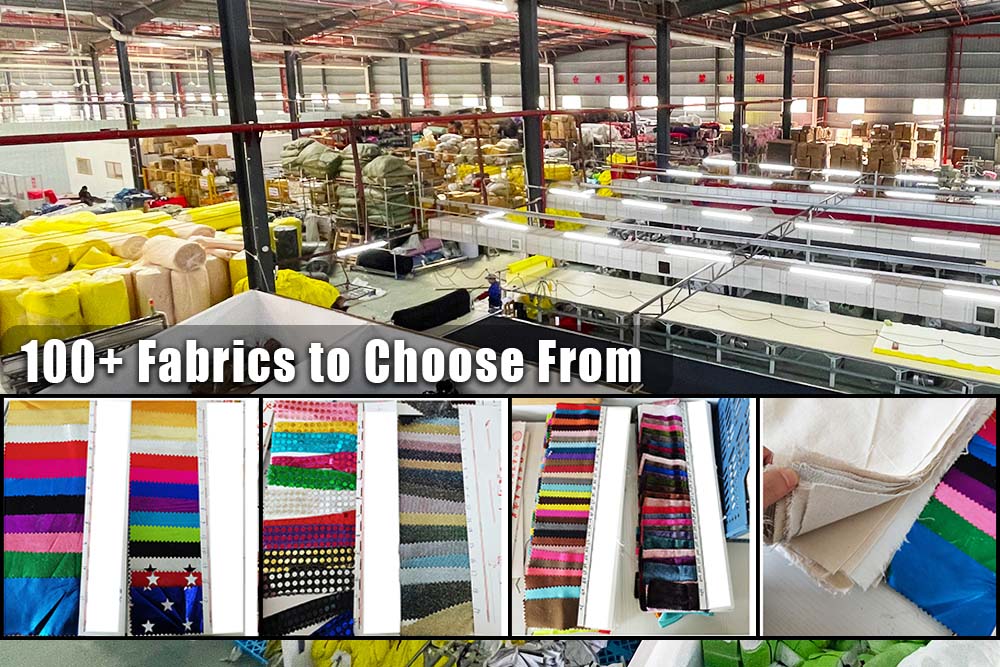
Material Selection & Pre-Approval
Materials define not only appearance, but performance.
Professional costume manufacturers control quality by:
- Proposing material options based on usage (event duration, indoor/outdoor)
- Sending material swatches for buyer approval
- Locking materials before sampling and production
For example, plush fabrics used in mascot costumes must balance softness with abrasion resistance. Without proper selection, costumes deteriorate quickly.
Sampling: The Most Critical Quality Control Step
Sampling is not a formality—it is the foundation of quality assurance.
What a Professional Sample Should Do
A proper sample should:
- Match final production materials
- Reflect real construction methods
- Be wearable and tested
- Serve as a reference for bulk QC
Fcostume treats samples as production standards, not display pieces.
Why Skipping or Rushing Samples Is Risky
Buyers who rush sampling to save time often pay more later through:
- Rework costs
- Delays
- Rejected shipments
Experienced suppliers will push back if a buyer tries to bypass this stage.
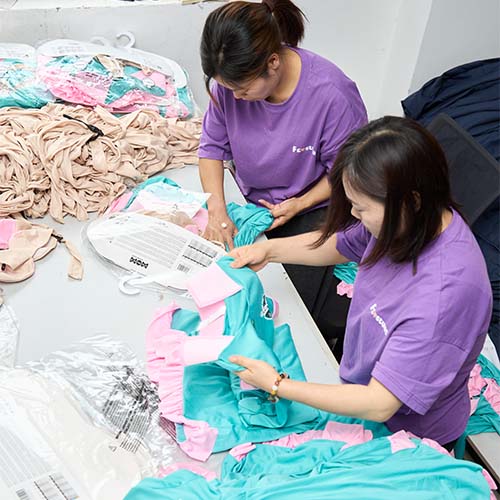
In-Line Quality Control During Production
Quality control during production—often called in-line QC—is where professional suppliers separate themselves from trading companies or small workshops.
Key In-Line QC Checks Include:
- Stitching strength and consistency
- Shape accuracy against approved sample
- Padding and structural stability
- Color consistency across batches
At Fcostume, QC checkpoints are built into production stages rather than treated as a separate function.
Final Inspection: What Actually Matters
Final inspection should verify, not discover.
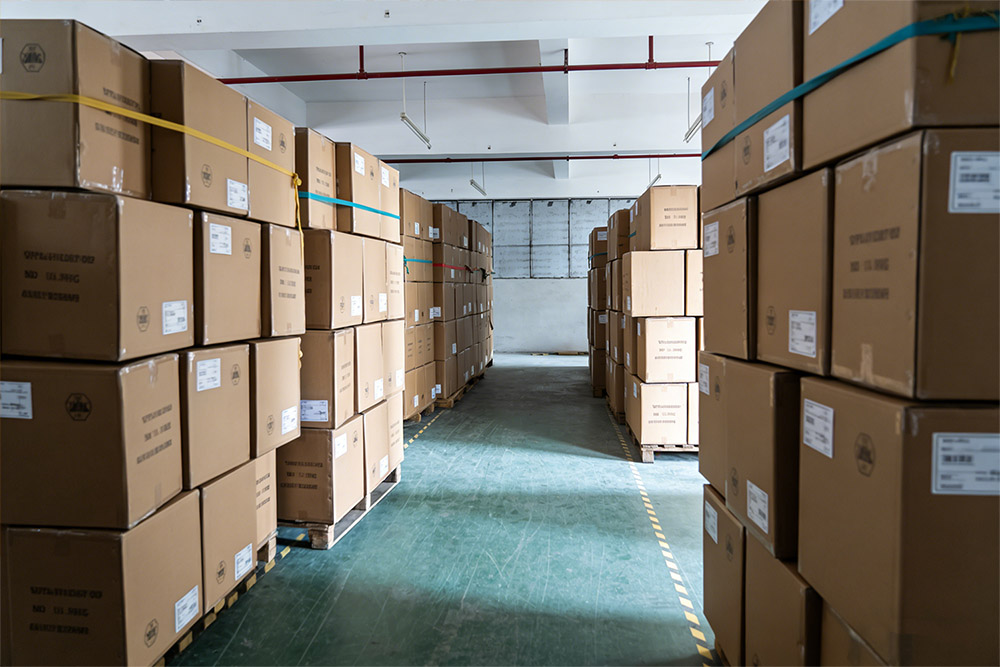
Professional final inspections focus on:
- Overall appearance vs approved sample
- Wearability tests (movement, comfort)
- Packaging suitability for export
- Quantity and accessory completeness
A reliable costume supplier documents inspection results and addresses deviations before shipment.
Quality Control for Low MOQ vs Bulk Orders
Low MOQ orders are often where quality breaks down—if the supplier treats them as secondary projects.
Professional suppliers apply the same QC standards regardless of order size.
At Fcostume:
- Low MOQ orders follow the same approval and inspection flow
- Patterns and specs are archived for future scaling
- Small runs are used to refine bulk production standards
Documentation & Corrective Action Systems
One overlooked aspect of quality control is documentation.
Professional suppliers maintain:
- Approved sample records
- Material specification sheets
- QC checklists
- Corrective action reports when issues occur
This documentation ensures consistency across repeat orders and reduces dependency on individual workers.
Communication as a Quality Control Tool
Quality control fails when communication fails.
Reliable suppliers:
- Confirm changes in writing
- Share photos or videos during production
- Flag potential issues early
Fcostume assigns project managers who act as a bridge between buyers and production teams, ensuring decisions are clearly documented and executed.
How Buyers Can Evaluate a Supplier’s Quality Control Capability
Before placing an order, buyers should ask:
- How are materials approved?
- Who is responsible for in-line QC?
- How is the sample used during production?
- What happens if issues are found?
Suppliers who can answer clearly—and show evidence—are far more reliable than those who offer vague assurances.
Why Professional Suppliers Control Quality Better
Professional costume manufacturers invest in:
- Structured workflows
- Trained QC personnel
- Repeatable processes
- Long-term buyer relationships
Fcostume’s OEM-focused model reflects this approach, making quality control a system rather than a promise.
Conclusion
Quality control in costume production is not a single step—it is a continuous process that starts with design and ends with shipment. Buyers who understand this are far less likely to experience costly delays, quality disputes, or failed product launches.
Working with professional suppliers who control quality at every stage—like Fcostume—allows global buyers to reduce risk, protect their brand, and scale confidently.
If you’re sourcing custom costumes for international markets, understanding how quality is controlled may be the most important decision you make.